
Objective Neurofunctional Testing
We use a suite of FDA-cleared, non-invasive tests to evaluate how your brain and nervous system are functioning after a concussion or traumatic brain injury. All testing is mobile and performed at your office, clinic, or a location convenient for the patient.
These tests measure function, not structure - detecting changes that are not visible on MRI or CT scans. A normal MRI does not mean your symptoms are not real. Many concussions never appear on standard imaging, yet patients still experience significant symptoms. This is why functional neurodiagnostic testing plays such a vital role in identifying and documenting brain injury.
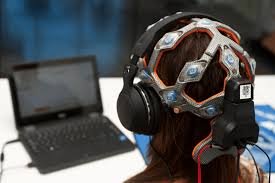
Cognitive Processing & Brainwave Activity
Electroencephalography (EEG) measures the brain’s electrical signals through small sensors placed on the scalp. These sensors record patterns of brain activity and track how the brain responds to specific tasks or stimuli, such as sounds or visual cues. Changes in brain waveforms, voltage or in the way the brain responds to a sound or task can suggest that the brain isn’t processing information normally. Such findings can be seen after a traumatic brain injury, as well as in other neurological conditions even when imaging is normal. Changes in these patterns can contribute to slowed thinking, memory problems, mental fatigue, and difficulty concentrating - common cognitive issues following a concussion.
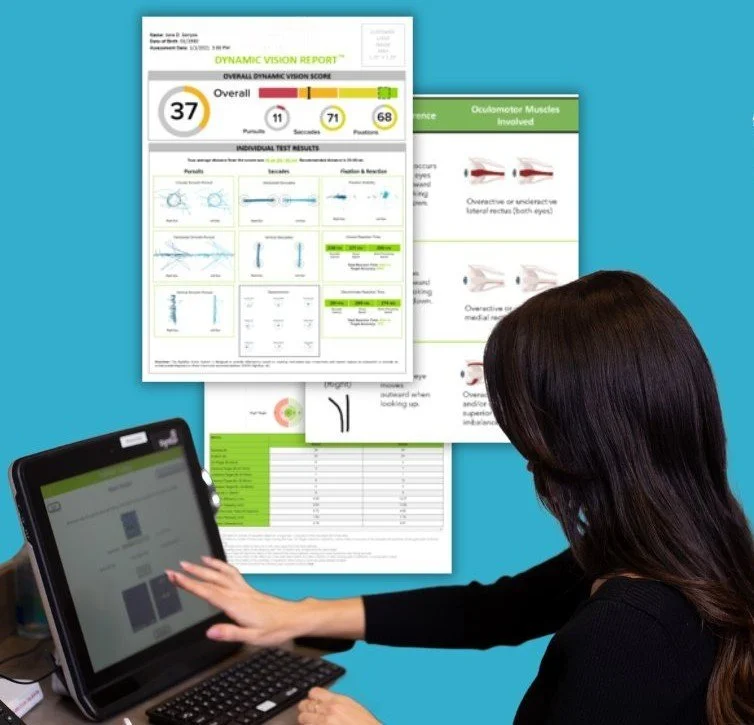
Eye-Tracking & Oculomotor Testing
Eye-tracking evaluates how well your eyes move and work together. After a concussion, the brain areas that control eye movements can be disrupted. The testing machine uses a specialized camera to measure how accurately your eyes follow moving targets, how quickly they shift, and how steady they remain, and hand-eye coordination. Problems in these areas can cause headaches, blurry vision, difficulty reading, and trouble focusing - all common post-concussion symptoms.
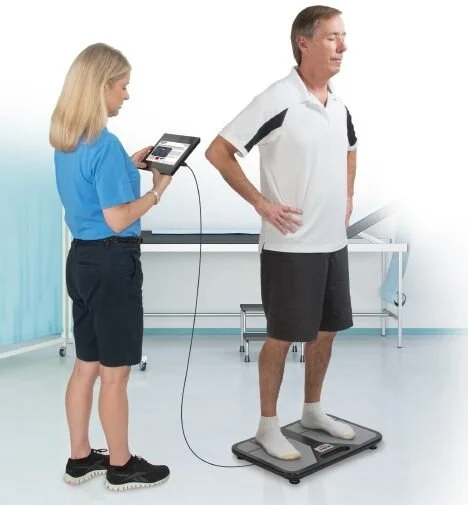
Balance & Postural Stability
Computerized dynamic posturography evaluates balance by measuring how steady you are while standing still, using a sensitive pressure-sensing platform. Concussions can affect the vestibular system, which helps control balance. Testing can reveal subtle balance impairments that may not be noticeable day-to-day but can impact movement, stability, and rehabilitation needs. The results help identify balance problems and can indicate whether changes in brain function are contributing to postural instability. Problems in these areas can lead to unsteadiness, dizziness, difficulty walking on uneven surfaces, and increased fall risk - all of which are frequently seen after a concussion.
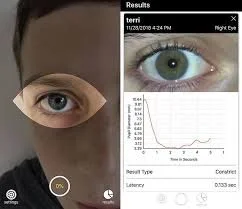
Pupillometry
Pupillometry measures how your pupils react when exposed to light. A high-resolution camera tracks how quickly and smoothly your pupils get smaller and return to normal size.
These reactions are controlled by the autonomic nervous system; the part of the body responsible for automatic functions like heart rate and breathing. Because this reflex is closely linked to brain activity, changes in the pupillary response may indicate stress or dysfunction in the nervous system following a concussion. Abnormalities in these responses can result in light sensitivity, headaches, visual discomfort, and difficulty adapting to changing environments - symptoms often associated with post-concussive injury.
Ready to schedule a mobile evaluation?
We serve attorneys, physicians, clinics, and individuals throughout Central and Northeast Florida.
Reports are typically available within 3 - 5 days.